A cannabis product recall starts the way most disasters do: quietly. A lab retest comes back hot. A customer posts a photo. A regulator emails on a Friday at 4:50 p.m. What you do in the next six hours decides whether this is an expensive week or an existential one.
What do I do first when a cannabis product recall hits?
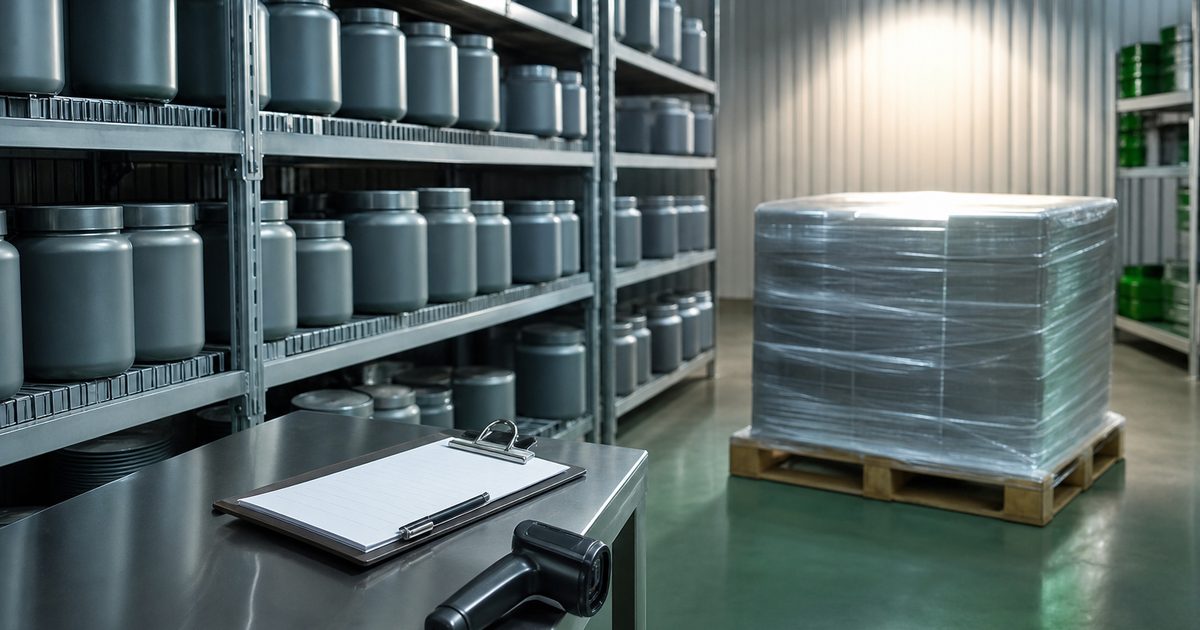
Quarantine the affected lots and stop distribution before you do anything else — before you call the regulator, before you draft a statement, before you decide whose fault it is. Then pull the batch records and build the distribution list. Every state recall framework, and every plaintiff lawyer who shows up later, evaluates you on how fast you contained the product and how completely you could trace where it went.
The instinct to investigate first and contain second is the single most expensive mistake operators make in a cannabis product recall. Containment is reversible. Distribution is not.
Voluntary versus mandatory: know which one you are in
There are two kinds, and they carry very different leverage. A voluntary recall is initiated by you when you find that product is mislabeled, defective, adulterated, or misbranded; you notify the agency that you are pulling it. A mandatory recall is ordered by the regulator, generally when there is an immediate and serious threat to human health and waiting for you to act would cause unreasonable delay.
The practical difference is control. In a voluntary posture you write the first draft of the narrative, choose the scope, and demonstrate a functioning quality system. In a mandatory posture the agency writes it and you respond. Missouri publishes its recall framework openly (Missouri DHSS product recalls), which is a useful model even for operators licensed elsewhere.
Illinois: quarantine authority is broader than operators expect
Illinois regulators can require a dispensing organization to quarantine product without destruction for a minimum of 72 hours or until further notice, where the Department suspects the product is adulterated, misbranded, or otherwise poses a danger to public safety. They can also require the product be sent for testing at an approved laboratory, and if it comes back safe, the product can be approved back into active stock. The rule sits at Ill. Admin. Code tit. 68, sec. 1291.330, and general program materials live on the IDFPR adult use cannabis page.
Two things follow from that. First, a quarantine is not automatically a recall, and treating every hold as a public recall can do gratuitous brand damage. Second, “adulterated” is defined broadly — it includes product tampered with by having a tamper-proof seal broken, or altered after packaging. That sweeps in a lot of ordinary retail mishandling.
7 critical first moves in a cannabis product recall
- Quarantine and freeze the lot in your seed-to-sale system so nothing moves while you assess.
- Pull the distribution list — every licensee and, where applicable, every consumer transaction tied to the batch.
- Notify the agency on their timeline, in writing, in the format they specify. Do not freelance the notice.
- Preserve everything: COAs, manifests, cultivation and processing logs, cleaning records, complaint emails, internal chats. Issue a written hold to staff.
- Read your contracts before you promise anything. Your supply and white-label agreements may already allocate recall cost, indemnity, and control of communications — our piece on how courts treat cannabis agreements explains why that language matters.
- Control the message. One spokesperson. Facts only. Nothing that concedes causation before you know it.
- Notify insurers and, if relevant, lenders within the notice periods in your policies.
The recall exposure nobody budgets for
Direct costs — destroyed inventory, testing, logistics — are the small number. The larger exposure is downstream: private-label partners whose brand rode on your batch, retailers claiming lost margin, and the enforcement file that follows you into your next cannabis license renewal. A recall handled badly reads as a quality-system failure, and a quality-system failure is exactly what a regulator weighs at renewal or on a notice of violation.
It also lands squarely in diligence. Any buyer reviewing your company will ask for recall history, and how you documented the response matters more than whether one happened. Labeling discipline is the cheapest prevention available — see our notes on product labeling best practices.
Product on hold right now?
We help operators run the notification, the document hold, and the contract fight that follows a cannabis product recall. Speak with a cannabis compliance attorney before you send the first notice.
Build the recall plan before you need it
Recall readiness is unglamorous and entirely learnable: batch traceability that actually resolves to a customer list, a named recall coordinator, pre-drafted notice templates, a contact tree, and an annual mock recall that you time and document. The operations team at Collateral Base builds these SOPs into standing quality programs, and if you want to watch how enforcement trends are moving state to state, Cannabis Legalization News tracks it weekly.
The mock recall is the part people skip and the part that pays. If you cannot produce a complete distribution list for a random batch in under four hours, you do not have a recall plan — you have a document.
Cannabis product recall FAQ
Is a quarantine the same as a cannabis product recall?
No. A quarantine holds product in place pending assessment or testing and may be lifted if testing clears the product. A recall retrieves product that has already moved into the supply chain. Conflating the two can cause unnecessary brand damage.
Who pays for a cannabis product recall?
Whoever your contracts say pays. In the absence of clear recall, indemnity, and insurance language, the licensee holding the product usually eats it first and litigates later.
Do I have to notify consumers?
It depends on the state, the risk level, and whether the product reached retail. Some agencies issue the public notice themselves. Get the notification scope confirmed in writing rather than guessing.
Can a recall cost me my license?
A recall by itself usually does not. A recall combined with concealment, missed notification deadlines, or an inability to trace product is a much more serious licensing problem.
Disclaimer: This article is general information about cannabis regulatory compliance, not legal advice, and it does not create an attorney-client relationship. Recall rules, definitions, and notification deadlines vary significantly by state and change frequently. Confirm current requirements with your state agency or with counsel licensed in your jurisdiction before acting.